
Or, How IKIN’s Hologram Applications Are Refining 3D Solutions For Modern Needs
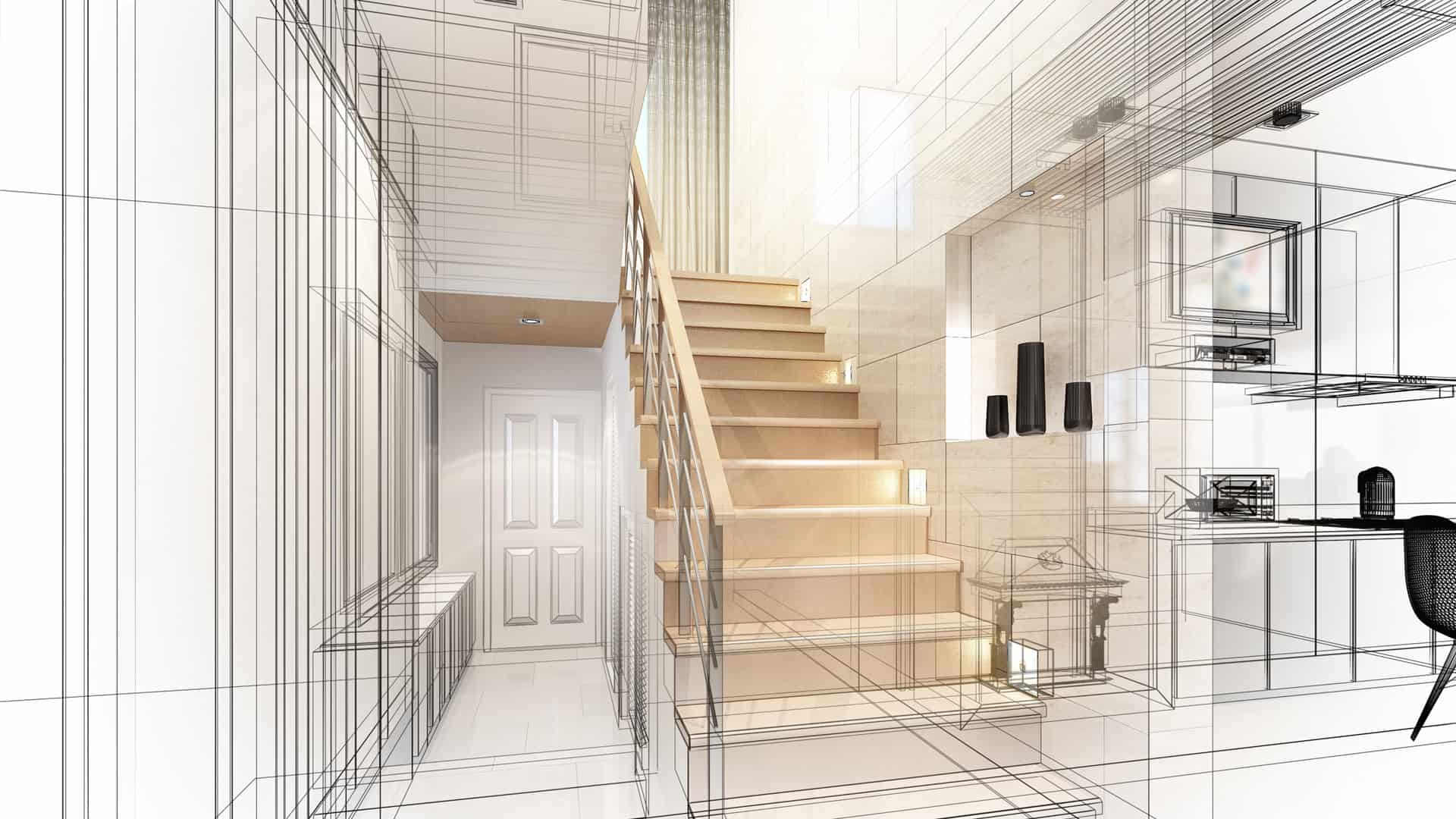
IKIN’s next-gen dimensional technologies, like the RYZ mobile device and the IKIN ARC large-format holographic system, are offering hologram applications to modern challenges, without some of the inherent drawbacks of other 3D formats. From product and structural design to medicine to remote engagement of all stripes, IKIN’s versatile dimensional technologies offer levels of depth to traditionally flat experiences. In the case of–say–virtual meetings, the result may be that an otherwise digital experience is made more realistic and potentially more personable. In the realm of design, a fully 3D experience may wholly reshape the process. 2D building blueprints become scalable, interactive 3D designs that are not limited by perspective.
Hologram applications seek to take both existing 2D and 3D experiences to a new level. And, in the case of the latter, they aim to refine those experiences, in part, by addressing some of the shortcomings of current 3D technologies.
Problems With Current Dimensional Tech
VR & AR
Virtual Reality (VR) and Augmented Reality (AR), for instance, traditionally rely on some form of headgear to fully visualize and engage with 3D content. Whether it be a weighty, full headset; a more refined goggles system; or lightweight smart glasses, these technologies rely on head-mounted components to work properly. This can be a major distraction point for users, even with the most compact smart glasses. And, VR headsets may even pose serious health risks to users.
3D Modeling Software
3D modeling software, of which the options are legion depending on the field and user needs, are also dimensional technologies, though of a level much less immersive than VR and AR. Still, 3D modeling software, which is used to both create and view dimensional content, is already a staple tool in play across various fields. CAD (or “Computer-aided design”) software, for instance, is used to build and visualize designs of all sorts–from products to buildings. It is a robust option of 3D modeling software that meets user needs. But even this otherwise successful example of technology can be further refined by the introduction of hologram technology. For example, CAD and other 3D modeling software can rotate content and adjust perspectives. This task is done via the use of a mouse, trackpad, or another form of controller, further mediating the experience for a clearly computer-based interaction.
The Solutions Of IKIN’s Hologram Applications
IKIN’s current hologram-based dimensional systems also utilize a controller for interactive engagement with 3D content. However, these systems marry their interactive controls with more subtle, natural, and fluid shifting of perspectives made capable by their usage of AI-driven face-tracking technology. The true three-dimensionality made possible by hologram technology allows a user to simply crane their neck, tilt or shift their head to view nuanced angles of a 3D design, in addition to the more sweeping, controller-based actions. This two-pronged approach to interactivity creates a more direct bridge with real-world experiences by conjoining natural, unmediated movements and established controller-based functionality. This is all done without the use of headgear, an intentional design feature of IKIN holographic systems intended to further reduce the mediation of digital experiences–all the dimensionality of VR and AR, without the distraction of head-mounted components.
To learn more about IKIN’s ongoing developments in holographic technology and hologram applications, please visit the IKIN blog. And, remember to follow IKIN on social media.